
Plain Leaf Kratom Powder: Explore a Traditional Botanical

Plain leaf kratom powder is made from the dried leaves of kratom (Mitragyna speciosa), a tropical tree native to Southeast Asia. Known for its long history of traditional use, kratom has become available in several forms, including powdered leaf, capsules, and concentrated extracts. Plain leaf powder appeals to people researching the plant in its ground botanical form rather than a concentrated extract or specially formulated product.
What Is It?
Kratom powder is produced by drying kratom leaves and grinding them into a fine or coarse powder. The finished product retains naturally occurring plant compounds, including alkaloids such as mitragynine. The composition and potency can vary according to the source of the leaves, growing conditions, processing methods, and individual batches.
Unlike concentrated extracts, plain leaf powder is made from the ground leaf itself. However, the term “plain leaf” does not guarantee a standardized alkaloid content or consistent effects. Consumers should review product descriptions and ingredient information carefully when comparing different botanical products.
Kratom’s Traditional Uses and Reported Effects
Kratom has traditionally been used in parts of Southeast Asia, where its leaves were chewed or prepared as tea. Traditional uses included addressing fatigue and supporting work productivity. Today, some users report stimulant-like effects, such as increased alertness and energy, while others report relaxation. These effects are not fully understood, and individual experiences can vary.
For further reading, the National Center for Complementary and Integrative Health provides an overview of kratom’s traditional uses, reported effects, and potential health effects. Scientific research is still developing, and kratom has not been established as safe and effective for treating any medical condition.
Quality, Ingredients, and Responsible Awareness
When researching plain leaf kratom powder, look for clear product labeling, ingredient transparency, and independent laboratory testing where available. Testing may help identify contaminants, including heavy metals and harmful bacteria, that have been found in some kratom products.
Natural does not necessarily mean safe. Kratom use has been associated with nausea, constipation, dizziness, drowsiness, dependence, and withdrawal. Serious adverse effects, including seizures and liver problems, have also been reported. Kratom may interact with medications and other substances. Anyone considering its use should consult a qualified healthcare professional, particularly when taking medication or managing an existing health condition.
Explore Plain Leaf Kratom Powder
Learning about kratom’s botanical origins, traditional history, and naturally occurring compounds can help consumers make more informed decisions. Explore the available product information, review ingredient details, and understand the potential risks before making choices about plain leaf kratom powder.
Showing 1–12 of 35 resultsSorted by latest
-
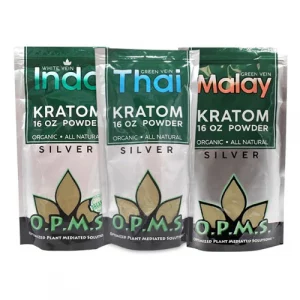
OPMS Kratom Powder 1lb Bags
$57.75 -
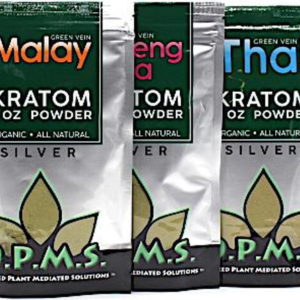
OPMS Kratom Powder 4oz bags
$18.99 -
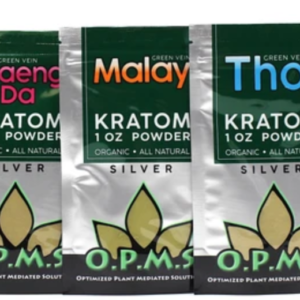
OPMS Kratom Powder 1oz bags
$8.99 -

Super Green Vein Kalimantan Maeng Da Nano Kratom Powder
Price range: $26.99 through $109.49 -

Super Red Vein Kalimantan Maeng Da Nano Kratom Powder
Price range: $26.99 through $109.49 -

Super White Vein Kalimantan Maeng Da Nano Kratom Powder
Price range: $26.99 through $109.49 -

Enhanced Super Green Hulu Kapuas Nano Kratom Powder
Price range: $19.99 through $99.99 -

Fermented Red Vein Maeng Da Kratom Powder-Bentuangie!
Price range: $24.99 through $99.99 -

White Vein Vietnam Kratom Powder-Organic nonGMO
Price range: $21.99 through $119.99 -

Green Vein Malaysian Kratom Powder – Organic nonGMO (Green Means Go!)
Price range: $8.99 through $94.99 -

Maeng Da Kratom Powder – Organic nonGMO (Atomic Maeng Da)
Price range: $7.99 through $94.99 -

Bali Gold (Yellow) Kratom Powder – Organic nonGMO (1836 Sand Panther Gold)
Price range: $7.99 through $44.99